%20-%20Copy.png)

Understanding Solar Energy Regulations in Zimbabwe

Updated: Jun 15, 2025
Solar Companies in Zimbabwe and Qualified Installers
The rules also insist that only qualified installers work on solar systems. Solar companies in Zimbabwe and their installers will need a minimum level of training (e.g., a training certificate course) before ZERA will allow them to install PV. If you plan to install a solar generator, it's crucial to note Zimbabwe’s licensing law: any generator above 100 kW typically requires a license from ZERA.
For smaller systems used only on-site (often referred to as "off-grid" or "private" generators), ZERA only requires that you notify them within 60 days of installation. In practice, this means if you install a rooftop solar system for your home or business, you simply inform ZERA, and they will likely grant an informal permit.
The key point is to stay compliant. This helps avoid legal issues and allows your system to connect safely if needed. Another critical regulation to consider is net metering.
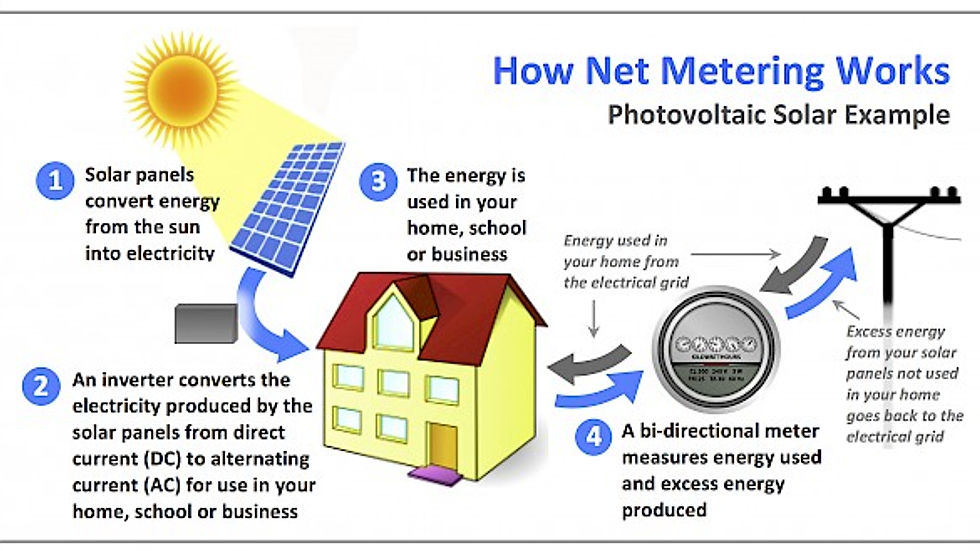
Net Metering: Powering Your Savings
Zimbabwe’s Electricity (Net Metering) Regulations, 2018, allow consumers with solar or wind energy to feed excess power back to the grid. Basically, you receive a credit (currently about 0.8–0.9 for each kWh sent back) against your future bills. This pilot program began around 2020 with a cap of 100 kW per site.
As of late 2021, only approximately 2.1 MW total had been connected (at 81 sites) under the program. Part of the reason for this limited uptake is that ZESA/ZETDC is reviewing the compensation factor. Nevertheless, the legal framework is in place; net metering just requires more investment and policy adjustments before it becomes widespread.
Compliance and Certification Matters
When embarking on any solar project in Zimbabwe, it's important to use IEC/ZWS-certified products and ZERA-approved installers. Doing so guarantees that your installation is safe and compliant with existing regulations.
Frontier Solar’s team is fully trained and certified under the emerging ZERA rules. They can handle all permit applications and ensure your system meets all necessary standards. By choosing a ZERA-compliant installer, you protect your investment and ensure safety and performance—using equipment that has been tested according to IEC and Zimbabwean specifications. Always ask to see the installer’s accreditation and equipment certificates when planning your solar installation.
Additional Considerations for Solar Installation
Solar energy systems are becoming increasingly popular in Zimbabwe. They not only help mitigate energy shortages but also provide a sustainable source of energy. When considering installation, think about these additional factors:
Cost of Installation
While the initial investment can be significant, the long-term savings on electricity bills can be substantial. Additionally, many companies offer financing options to make solar installation more accessible.
Maintenance Needs
Regular maintenance is crucial to ensure efficiency. This includes cleaning panels and checking system performance periodically. Ensuring your system remains operational will prolong its lifespan and effectiveness.
Energy Storage Solutions
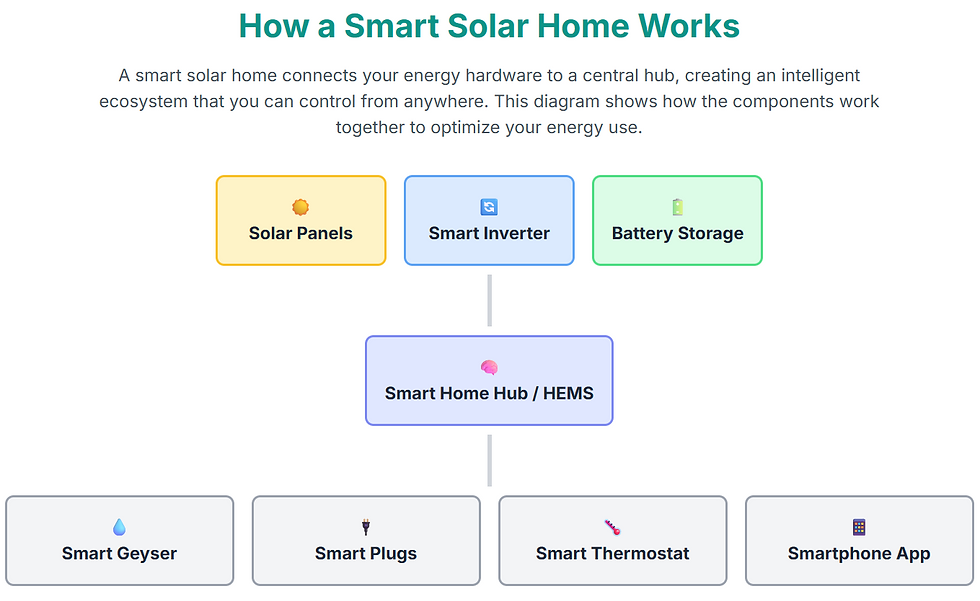
For many, integrating a battery storage system can be beneficial. This allows users to store excess energy produced during the day for use at night or during outages. It’s an added layer of energy independence.
Environmental Impact
Solar energy is a clean alternative to fossil fuels. By installing a solar system, you are contributing to reducing carbon emissions and promoting a greener future.
Conclusion
In summary, any Zimbabwe solar project should adhere to IEC/ZWS-certified products and utilize ZERA-approved installers. By being compliant, you not only ensure the safety of your system but also enhance its performance and reliability. This can be vital for achieving the best return on your investment.
If you're interested in an assessment before proceeding, consider scheduling a free residential or commercial site and risk assessment with Frontier Solar.
Would you like more articles on regulations?
Yes, I love them!
Not interested

Comments